Weblin House
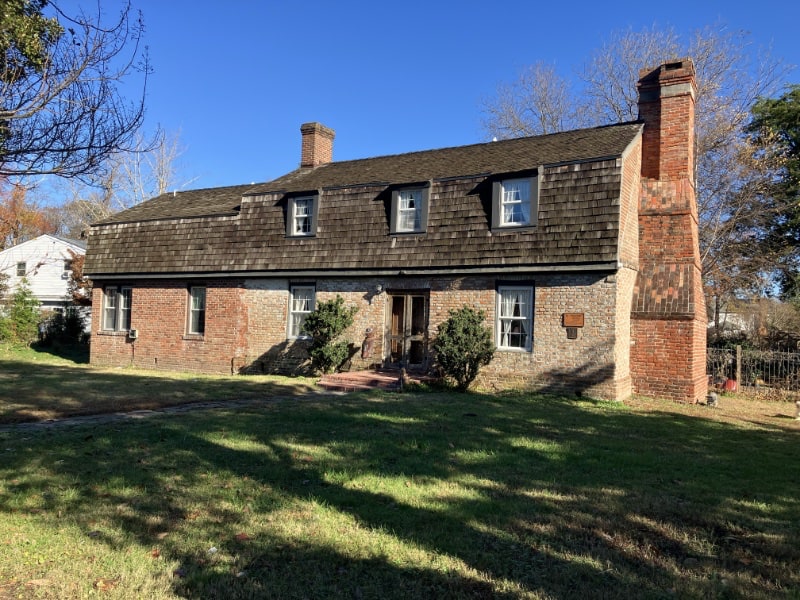
The Weblin House (ca. 1710) was listed on the National Register in 1974. The nomination was typical of those from that period, with a mere eight paragraphs of narrative text and no inventory of the resources beyond the house itself. Hanbury Preservation Consulting prepared a revised nomination with a boundary adjustment that includes a complete inventory and description of secondary resources, and an expanded statement of significance supported by additional research and context. Since 1974, much of the acreage included in the original nomination has been sold off, subdivided, and developed, and the revision defines and justifies a new, smaller and defensible boundary of 6.54 acres that includes all the intact historic setting and known associated historic resources.
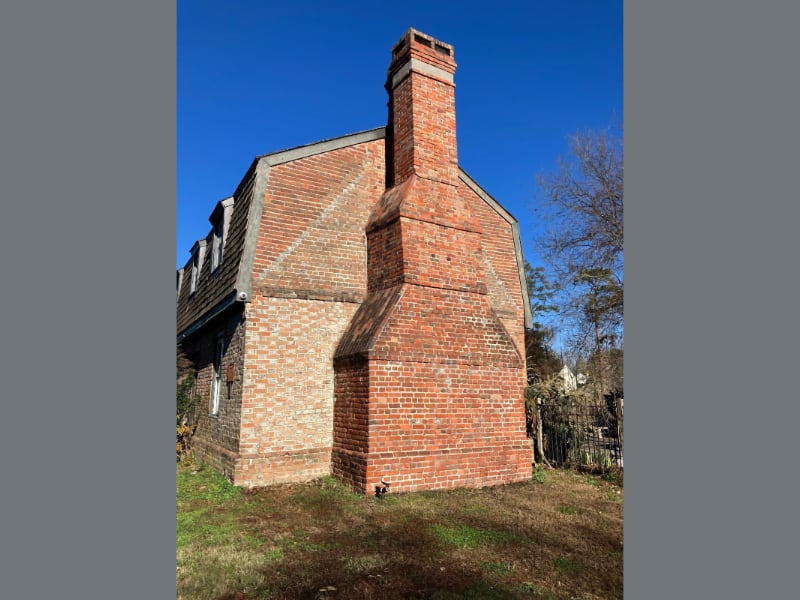
The Weblin House is part of a small cohort of modest brick dwellings in the region that represent the transition from frame and earthfast construction to brick, that exhibits building methodologies typical of its early eighteenth- and nineteenth-century building campaigns, and that combines English building precedents with indigenous vernacular forms. Brick chevrons are evidence of its transition from a gable- to a gambrel-roofed dwelling ca. 1820 and the house retains an impressive” Virginia style” chimney.
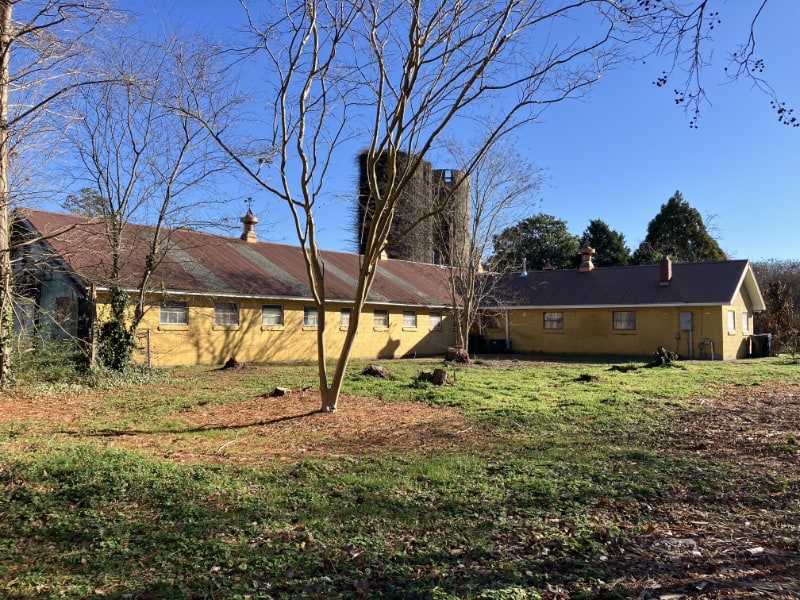
The house and grounds also represent a spectrum of agricultural activity in what was once a largely rural county. From diversified crops through Amish-Mennonite ownership as part of a larger community of Mennonite farmers in Princess Anne County, to early 20th century dairy farming, and ultimately sale for residential subdivisions, it traces the path of many of Virginia Beach’s once numerous farms.
Hanbury Preservation Consulting’s revised nomination, accepted in 2026, can be found here